

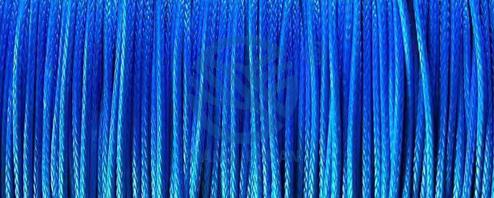
Mooring tails are essential components of a ship's mooring system, serving as the critical link between the vessel and the mooring lines (typically made of wire or chain). Their primary function is to absorb dynamic loads, reduce shock forces, and protect both the ship and the mooring infrastructure from damage caused by waves, wind, and tidal movements. Selecting the correct length of mooring tails is paramount to ensuring safety, operational efficiency, and the longevity of mooring equipment. An improperly chosen length can lead to excessive wear, line failure, or even accidents. This article provides a comprehensive guide on how to choose the right length of mooring tails for ships, covering key principles, calculation methods, practical considerations, and industry best practices.
1. The Role of Mooring Tails and Why Length Matters
Mooring tails are typically made from synthetic fibers (e.g., nylon, polyester, or HMPE) due to their elasticity and energy-absorption capabilities. The length of the tail directly influences:
Energy Absorption: Longer tails provide greater stretch, effectively dissipating energy from sudden loads (e.g., wave surges or vessel movements).
Load Distribution: Proper length ensures that loads are evenly distributed between the tail and the primary mooring line (chain or wire).
System Compatibility: The tail must integrate seamlessly with the mooring line, winch, and bollards.
Safety Margin: Adequate length prevents over-tensioning and reduces the risk of snap-back accidents.
2. Key Factors Influencing Mooring Tail Length
A. Vessel Size and Type
Large Vessels (e.g., tankers, container ships): Require longer tails to handle higher loads and greater movements.
Small Vessels (e.g., fishing boats, yachts): Shorter tails may suffice due to lower mass and energy.
B. Environmental Conditions
Wave Action and Tidal Range: High-energy environments (e.g., open ports or areas with large tides) necessitate longer tails to accommodate significant movement.
Wind Exposure: Strong winds increase dynamic loads, requiring additional length for stretch.
Currents: Strong currents may cause constant tension, demanding longer tails to maintain flexibility.
C. Mooring Configuration
Breast Lines, Head Lines, and Stern Lines: Each line type may require different tail lengths based on its angle and function.
Multi-Point Mooring Systems: Tails must be balanced to ensure even load sharing.
D. Material Properties
Elongation Characteristics: Materials like nylon can stretch up to 30%, while polyester stretches less (~15%). Longer tails are needed for low-stretch materials to achieve the same energy absorption.
Diameter and Strength: Thicker, stronger tails may require adjustments in length to maintain optimal performance.
E. Regulatory and Industry Standards
Organizations like the Oil Companies International Marine Forum (OCIMF) provide guidelines for mooring practices, including tail length recommendations.
3. General Principles for Determining Tail Length
A. Minimum Length Guidelines
A common rule of thumb is to use a tail length at least equal to the ship's freeboard (the distance from the waterline to the deck). For large ships, this typically ranges from 5 to 15 meters.
OCIMF recommends a minimum tail length of 10 meters for large vessels to ensure adequate energy absorption.
B. Proportionality to Primary Line Length
Tails should generally be 10% to 15% of the total mooring line length. For example, if the primary line is 100 meters, the tail should be 10–15 meters long.
C. Dynamic Load Considerations
The tail must be long enough to allow for maximum expected elongation without bottoming out (i.e., reaching its elastic limit). For nylon tails, which elongate significantly, length calculations must account for this stretch.
4. Calculation Methods for Tail Length
A. Energy Absorption Method
This approach ensures the tail can absorb the kinetic energy from vessel movements:
Calculate the energy to be absorbed based on vessel mass and velocity caused by environmental forces.
Determine the tail's energy capacity using its elongation properties and safe working load (SWL).
Tidal Range Adjustment
In ports with large tidal ranges, add the tidal variation to the minimum length. For instance, if the tidal range is 4 meters, increase the tail length by 4 meters to prevent over-tensioning at low tide.
5. Practical Examples and Scenarios
Example 1: Container Ship in a Calm Harbor
Vessel: 50,000 DWT container ship
Environment: Protected harbor with minimal waves and tides
Mooring Line: Polyester tail with low elongation
Recommended Length: 8–10 meters (based on freeboard and 10% of line length)
Example 2: Tanker in an Exposed Terminal
Vessel: 150,000 DWT tanker
Environment: High waves, strong winds, and 5-meter tidal range
Mooring Line: Nylon tail for high elasticity
Recommended Length: 15–20 meters (accounting for energy absorption and tidal variation)
Example 3: Yacht in a Marina
Vessel: 20-meter yacht
Environment: Sheltered marina with small tides
Mooring Line: Nylon tail
Recommended Length: 3–5 meters (proportional to line length and freeboard)
6. Common Mistakes to Avoid
Too Short: Leads to inadequate energy absorption, causing high peak loads and potential failure.
Too Long: May cause the tail to drag in the water or interfere with other operations, increasing wear.
Ignoring Environmental Changes: Failing to adjust for tides, seasons, or weather can render the tail ineffective.
Incompatibility with Hardware: Ensure the tail length works with winch capacity and bollard spacing.
7. Installation and Maintenance Tips
Inspection: Regularly check for wear, UV damage, or chafing. Replace tails if signs of degradation appear.
Splicing: Use proper splicing techniques to connect tails to primary lines. Poor splices can reduce strength.
Storage: Coil tails loosely to avoid kinks and store them in a cool, dry place away from UV exposure.
Testing: Periodically test tails to ensure they meet strength and elongation specifications.
8. Industry Standards and Resources
OCIMF Guidelines: Provide detailed recommendations for mooring system design, including tail length.
Class Societies: Organizations like DNV GL and ABS offer rules and guidance for mooring.
Manufacturer Recommendations: Always consult tail manufacturers for specific advice based on material properties.
9. Future Trends and Innovations
Smart Mooring Systems: Sensors embedded in tails to monitor tension, length, and condition in real time.
Advanced Materials: New fibers with higher strength and better elasticity may allow for shorter tails without compromising performance.
Automated Tensioning Systems: Winches that adjust line length automatically based on conditions, reducing reliance on fixed tail lengths.
Conclusion
Choosing the right length for mooring tails is a critical decision that balances science, experience, and practical constraints. By considering vessel characteristics, environmental conditions, and material properties, operators can determine an optimal length that ensures safety and efficiency. Regular maintenance and adherence to industry standards further enhance performance. As technology evolves, smart systems and advanced materials will continue to refine mooring practices, but the fundamental principles outlined here will remain essential for every mariner and port operator.
Ünvan:
No.8 Chengnan yolu, chengnan sənaye parkı, Baoying qraflığı, Jiangsu Çin
E-poçt:
E-mail1:vanzer@xcrope.com Vanzer Tao
E-mail2:sales@xcrope.com Wang Peng
E-mail3:grace@xcrope.com Grace Li
E-mail4:info@xcrope.com David Cheng
Şirkət telefonu:
+86-514-88253368
Xaricdə satış şöbəsi:
+86-514-88302931


Copyright © Jiangsu Xiangchuan Rope Technology Co., Ltd. | Bütün hüquqlar qorunur
Bu veb saytımızda ən yaxşı təcrübə əldə etməyinizi təmin etmək üçün kukilərdən istifadə edir.
 English
 Español
 Portugues
 Pусский
 Français
 Deutsch
 日本語
日本語 한국어
한국어 العربية
 Italiano
 Ελληνικά
 Polski
 Türk dili
 Indonesia
 Melayu
 Tiếng Việt
 বাংলা
বাংলা norsk
norsk Română
 中文站
中文站
 +86-514-88253368



 Telefon
Şərh
(0)